Garage Storage Near Me: Garage for Rent from Private Hosts
Find garage storage near me, a garage for rent near me, or garage storage space for rent from a local host — boxed storage, a parked vehicle, or workshop use. Request first; address private until approval; SpaceSkout takes $0 commission.
Neighbor garage vs. commercial self-storage
| SpaceSkout garage rental | Commercial self-storage facility | |
|---|---|---|
| What you are renting | A private residential garage, on terms the host sets | A standardized unit inside a staffed facility |
| How you book | Send a request; the host approves or declines | Lease at the counter or online, often instantly |
| Address | Shared after the host approves | Published at the facility |
| Access | Host rules — code, lockbox, or appointment | Gate hours and a unit lock you control |
| Security | Varies by house: lock type, lighting, whether someone lives on site | Facility cameras, gate, and office hours |
| Climate / moisture | Whatever that garage already is — ask about dampness | Often optional climate control for an added monthly fee |
| Insurance | Your policy plus whatever the host's policy actually covers — ask both | Often a facility protection plan at checkout; still read the exclusions |
| Extra fees | Usually the posted rate — confirm deposits and notice in writing | Admin fees, lock purchase, and mandatory insurance add-ons are common |
| Best fit | A vehicle, a defined pile of household goods, or short workshop use close to home | Long-term boxed storage where a standardized unit and gate access matter more than proximity |
Hosts set their own rates and rules. Compare the listing in front of you to a quote from a nearby facility — including that facility's admin and insurance add-ons — rather than assuming one option is cheaper.
Listed spaces
Live catalog cards only — not invented inventory. A card is a request, not instant book. Address stays private until the host approves.
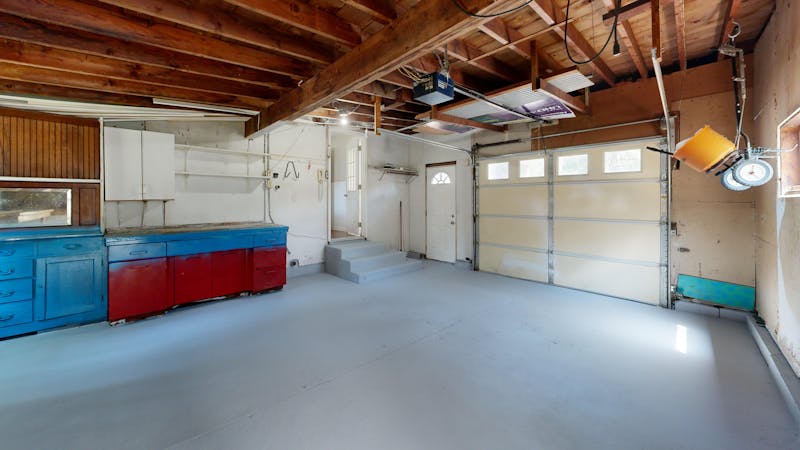
Request a Space
Host approves. You are not charged when you send this. The street address stays private until they say yes. Listing is free and SpaceSkout takes $0 commission — Premium is featured placement, not a booking cut.
Quick answer: if you searched garage storage near me, garage for rent, garage for rent near me, or garage storage space for rent, you want a private residential garage bay — not a staffed self-storage unit. On SpaceSkout you browse live garage cards below (or send Request a Space), the host approves before any street address is shared, you pay the host directly, and SpaceSkout takes $0 commission. No invented city inventory: only the catalog cards on this page are live.
Garage for rent and garage storage space for rent are the same marketplace product as garage storage near me here: a homeowner or property manager listing a bay for boxed storage, a parked vehicle, or approved workshop time. Google often mixes that with commercial facility results (Extra Space, Public Storage, and similar). SpaceSkout is the private-host lane — the same marketplace as driveway parking and backyard rentals — so you are not signing a facility lease when you wanted a neighbor bay with drive-up loading.
How booking works in one pass: open a garage listing or use Request a Space → describe what you are storing, dates, and access needs → the host says yes or no → address is shared only after approval → you confirm payment with the host. You are not charged when you send the request. Listing is free for hosts; optional Premium is featured placement, not a booking cut. If you own an unused bay, List Your Space instead of leaving it empty.
Directional pricing only — never a quote for your zip. SpaceSkout's previously published garage earnings guide frames full-bay peer rentals as typically $200–$400 a month (wider published range roughly $50–$500 by size, density, and use). Neighbor's 2026 storage-cost guide puts a standard 10x10 facility unit around ~$120 a month nationally before climate control and admin add-ons. Always compare the real listing to a real facility quote nearby, including fees.
This page does not invent review counts, city-by-city inventory, or guaranteed availability. The only live garage cards are below. If none are close enough, Request a Space with a radius (5, 10, or 20 miles) and flexible dates. Related paths on the same site: rent out your driveway when you need outdoor parking, backyard rentals near me when the need is yard space not a closed bay, and the host guide on rent out your garage when you are listing instead of renting.
A real garage, not a hallway of roll-up doors
You are requesting a residential bay from the person who controls it. That can mean drive-up loading at a house, not a cart trip down a corridor.
Request first, pay after the host agrees
Nothing is reserved when you click request. The host reviews your dates and use, then you arrange payment directly. SpaceSkout does not take a booking cut.
Address stays private until approval
Listings show a neighborhood or city, not a street number, until the host accepts. That keeps the house off a public map of empty garages.
Say what you are actually storing
Hosts approve faster when the request names boxes versus a vehicle versus tools. Vague "need storage near me" notes are the ones that sit unanswered.
A match if the catalog is thin
If no listed garage fits, Request a Space lets SpaceSkout try listed hosts and unclaimed property profiles. A suggested match is not a confirmed stall.
Hosts keep the rate they set
Listing is free. Optional Premium is a separate monthly upgrade for featured placement, not a fee taken out of your booking.
How matching and booking work on SpaceSkout
Every SpaceSkout booking starts as a request. You are not buying a lock that works at midnight the moment you pay. On a garage listing you send your name, email, phone, the date you need the space, and a note about the use. You are not charged when you send the request. After the host approves, the address is shared and you confirm payment with the host. SpaceSkout does not run the payment and does not take a commission. If you cannot find a listing that fits, Request a Space collects location, space type, use, dates, and details, then tries to match you. Treat suggested matches as leads, not reserved bays. Browse the live garage category when you want to scan cards yourself; use Request a Space when the catalog is empty near you or when your window is oddly shaped. For the renter-side safety walkthrough — what to put in the first message, what to confirm before you move in — see how to book a space safely.
When a private garage beats self-storage (and when it does not)
Commercial self-storage wins when you need a standardized unit, predictable gate hours, optional climate control, and a facility that publishes its address and lease terms up front. That model fits long-term boxed storage where you will visit on your own schedule and do not care whether the building is next to your house. A neighbor garage wins when proximity and drive-up loading matter more than a staffed office: you are hauling furniture between leases, parking a car that needs a roof, or staging boxes for a renovation that lasts a few weeks. The tradeoff is clear. You trade gate-code convenience for a human host who can say no, who sets access hours, and whose security setup is whatever that house already has. Private garages also rarely match facility climate control — if your goods are moisture-sensitive, ask hard questions about dampness or stay with a conditioned unit. Neither option is automatically cheaper. A facility quote that looks low can grow once admin fees and mandatory insurance add-ons are included; promotional intro rates often step up after the first months. A host rate that looks high can still win if the bay is a five-minute walk from your front door and you avoid a second trip across town. Read the comparison table above, then compare the actual listing and the actual facility quote in your zip code — that is the only comparison that matters for garage storage rental near me searches. For a broader marketplace framing, see self-storage alternative and SpaceSkout vs self-storage and parking apps.
Pricing context without inventing a quote for your zip
There is no single SpaceSkout price for garage storage near me. Hosts set rates. Two published yardsticks help you sanity-check a conversation — they are not a quote for your block. Neighbor's 2026 storage-cost guide puts a standard 10x10 self-storage unit at about $120 a month nationally on average, with climate control typically adding roughly $30–$75 more per month; many facilities still layer admin fees and a protection plan on top. SpaceSkout's previously published garage earnings guide frames peer-to-peer garage rentals as typically $200–$400 a month for a full bay, with a wider published range of roughly $50–$500 depending on size, city density, vehicle versus boxed use, and how dry and secure the bay is. A single-car residential garage (commonly around 240 square feet, roughly 12 by 20 feet) already has more footprint than a 10x10 facility unit, which is one reason host rates can sit near or above a small facility unit even before you count the convenience of storing close to home. Use the real rate at the nearest facility in your own zip as your floor for comparison, not a national blend — and read how much you can earn renting out a garage if you are pricing a bay to list.
Garage for storage: cost per square foot, so you can sanity-check any quote
If you searched "garage for storage" mainly to figure out whether a quote is fair, compare it on a per-square-foot basis instead of a flat monthly number — bay sizes vary too much for a flat number to mean anything on its own. Using the same two published yardsticks cited above: a standard 10x10 self-storage unit (100 square feet) at roughly $120 a month works out to about $1.20 per square foot per month, before climate control or facility add-on fees. A one-car residential garage bay (commonly around 240 square feet) priced at SpaceSkout's previously published typical band of $200–$400 a month works out to roughly $0.83–$1.67 per square foot per month — a range that straddles the facility number rather than sitting cleanly above or below it. A two-car bay (400–480 square feet) at the same typical $200–$400 monthly band works out closer to $0.42–$1.00 per square foot per month, which is where a larger residential garage tends to beat a small facility unit on a per-square-foot basis if you actually need the extra room. None of this is a quote for your zip — it is a way to check whether a host's asking price or a facility's quoted rate reflects the size you are actually getting before you commit to either one. Browse garage listings to see live per-listing rates, or send a Request a Space match if nothing near you states a price yet.
How much garage space you actually need
Search results for garage storage near me mix one-car bays, two-car bays, and everything in between, and the difference changes both what fits and what it should cost. A one-car garage typically runs about 240 square feet — roughly 12 feet wide by 20 feet deep. A two-car garage is typically 400 to 480 square feet, commonly in the 20-by-20 to 20-by-24 range, with newer builds trending toward the wider end. Those are construction averages, not a guarantee about the specific bay you are requesting — shelving, a host's own stored items, or a workbench along one wall can shrink usable space well below the building's total footprint. As a rough planning guide: a one-car bay comfortably holds the contents of a studio or one-bedroom apartment in boxes, or a compact car with a narrow walk-around; a two-car bay handles a full household move between leases, a mid-size vehicle plus overflow bins, or a small workshop setup with room to move. If a listing does not state usable length, width, and door height, ask before you request it — garage for rent near me cards that skip dimensions are the ones that cause a wasted trip when a couch will not fit through the door.
Single-car vs two-car garage storage: what actually changes
Garage listings are not interchangeable just because they sit under the same category. A single-car bay usually has less depth and width and tends to book for stacked boxes, bins, or a compact car. A two-car or tandem garage gives room for a larger vehicle plus overflow storage, or two vehicles at once, and hosts with that extra square footage often price higher — especially when the listing includes shelving, a workbench, or dedicated power for tools. Measure what you are actually storing before you request a space. A truck with a tow hitch, a stack of furniture, or a car with a roof box needs real clearance, and a headline that just says "garage for rent near me" rarely lists exact door height or depth. Ask the host directly if dimensions are missing. Exclusive use versus a shared bay matters just as much as square footage: a partitioned half-bay can work for boxes if the boundary is clear; it fails for a vehicle that needs the full door opening.
Renter checklist before you request a garage
Write the checklist into your request note so the host can answer in one reply. Confirm exclusive versus shared use, and whether the host still parks a car in the same bay. Confirm access method — keypad, lockbox, shared key, or in-person handoff — and the hours you can enter without a call. Confirm door height and width if a vehicle is involved, plus turning room from the street. Confirm floor condition: bare concrete, epoxy, or unfinished with a history of dampness after rain. Confirm banned items: gasoline cans, paint, perishables, mattresses on the floor, or anything that attracts pests. Confirm whether overnight work or workshop noise is allowed, and until what hour. Confirm how lock changes work if you lose a key or if a prior renter's code needs retirement. Confirm who carries insurance on your goods and on damage to the structure — get the answer in writing, not as a verbal "it should be fine." Confirm the end date or the notice period for ending a month-to-month arrangement. Confirm whether a security deposit is required and what conditions return it. A request that answers those points gets a faster yes or no than a one-line "looking for garage storage near me."
Vehicle vs boxes vs workshop — pick the use before you message
The same physical garage can support three different products, and mixing them in one vague request creates friction. Boxed storage is low interaction: drop off, lock, visit rarely. Vehicle storage needs door clearance, drip management, and clarity about how long the car can sit unused — ask about drip pans, battery tenders, registration, and whether the host wants keys left on site. Workshop or project use needs power capacity, noise rules, and often a higher host involvement level — it is closer to renting a work bay than renting a closet. Say which product you need in the first sentence of your request. Hosts who only want passive boxed storage will decline workshop use quickly if you are honest; hosts who welcome tools will waste less time if they know a table saw is part of the plan. If your need is really outdoor parking rather than a closed bay, switch to driveway parking rentals near me instead of forcing a garage listing that was never meant for open-air stalls. If your need is a boat or trailer that will not fit a residential door, boat storage near me and land-oriented host guides are the better path. Pure vehicle searchers should also scan car storage near me.
Access, hours, and how you actually get in
Access is the most common mismatch between what renters expect from a facility and what a residential garage can offer. Do not assume 24-hour gate access. Some hosts prefer daytime appointments so they know who is on the property. Others install a keypad or lockbox on a side door so you can come and go within posted hours without a text every time. Put your real access needs in the first message: weekday evenings only, weekend loading for a move, or monthly visits to pull one bin. If you need unpredictable late-night access, say so — many hosts will decline, which is better than a conflict after your boxes are inside. Ask how snow days, power outages, or a stuck garage door are handled. Ask whether the driveway stays clear for loading or whether you will be blocking a resident's car. Ask whether the opener remotes, keypad codes, or lockbox combinations are rotated when a prior renter leaves. For vehicle storage, ask whether the car can sit unused for months and whether someone on site will notice if the door is left open. Those details belong in the same thread as price and start date.
Safety, moisture, and what belongs (and does not belong) in a garage
A residential garage is a building attached to or beside someone's home — treat it like shared property, not a disposable metal box. Keep flammables, open fuel cans, and oily rags out unless the host explicitly allows them and local rules do too. Keep food and anything that attracts pests sealed or out entirely. Cardboard on a damp floor is a mold invitation; use sealed bins and ask for pallets or shelving when the floor has a moisture history. Ask about smoke detectors, whether the garage shares HVAC with the house, and whether the host has cameras covering the driveway approach (many do not — and that is fine if you know it up front). Do not leave the door open while you run an errand. Do not store items the host banned just because they fit. If something spills — oil, paint, water from a roof drip — tell the host immediately. Safety is mostly boring discipline: clear boundaries, honest use descriptions, and a lock that actually gets locked.
Insurance and liability at a high level
SpaceSkout does not insure stored items and does not take a booking commission that could be mistaken for coverage. Before you move anything in, ask two separate questions. First, what does the host's homeowners or landlord policy actually cover for a renter's goods or a renter's vehicle inside the garage — many policies cover the building structure far more readily than a stranger's boxes, and off-premises personal property limits on a renter's own policy are often capped lower than in-home coverage. Second, what does your own renters, homeowners, or auto policy cover when items or a car sit off your primary address. Answers vary by carrier and by endorsement; this page does not invent policy language or claim a standard rider exists. Get names, ask both parties to confirm in writing, and decide whether the residual risk is acceptable for what you are storing. High-value electronics, documents you cannot replace, and vehicles with open claims histories deserve extra scrutiny. If either side cannot get a clear answer from their insurer, treat that as a reason to pause — not as a reason to assume coverage. Hosts listing workshop use face a different risk profile than storage-only hosts; if your request includes tools or power equipment, say so early so the host can check with their insurer before approving. Host-side detail lives in insurance and liability for space hosts.
Seasonal demand for garage storage near me
Demand for residential garage storage is not flat across the year. Late spring and early summer often bring move-related requests as leases turn and families stage furniture between homes. Late fall brings requests for seasonal gear, holiday decorations, and vehicles that owners prefer not to leave on the street through winter. Campus towns see pulses around move-in and move-out weekends. Storm seasons can spike short-term demand for dry indoor space when basements flood or roofs are open for repair — those windows are short, specific, and easy for a host to evaluate if you name exact dates. If you are a renter, say whether your need is a hard move-out deadline or a flexible "sometime this month" window; flexibility usually gets more replies. If you are a host, expect quieter mid-winter months in many markets and plan photos and listing copy before the busy seasons rather than during them. Seasonal patterns are directional, not a promise for every zip code — your neighborhood listing history and the requests you actually receive matter more than a national calendar. Short move windows are covered in more detail on short-term moving storage.
What hosts should put on a garage listing
Renters comparing garage storage rental near me options skip vague cards. State the neighborhood or general area in the title and description without publishing the street number until approval. State the exact monthly rate or the exact short-term structure — "contact for pricing" slows every conversation. State whether the bay is exclusive or shared, single-car or two-car, and what still lives in the space if anything. State the access method and hours. State whether vehicles are allowed, whether workshop use is allowed, and what is banned. State moisture history honestly: a bay that stays dry after hard rain is worth naming; a bay that sweats in summer deserves a dehumidifier note or a decline for cardboard storage. Measure usable length, width, and door opening instead of guessing. Separate your own belongings with a clear boundary if you are only renting part of the garage. Keep the lock or code separate from your house key system when you can. Screen requests the same way you would screen anyone coming onto your property — see how to screen renters before approving a booking. For a full host walkthrough — storage versus workshop, screening, and when not to list — see the guide on how to rent out your garage for storage, and create the listing itself on List Your Space.
Photo tips that help a garage listing get requests
Photos do more work than adjectives on a storage listing. Shoot the empty bay with the door open so renters see depth and door height in one frame. Shoot from the driveway approach so loading looks realistic. Include a clear shot of the lock, keypad, or lockbox without showing codes. Include a floor shot so concrete condition and stains are visible before someone asks. If you have shelving, lighting, or a dehumidifier, photograph those features in place rather than describing them alone. Avoid dark phone shots at night; daylight reveals moisture stains and clutter you would rather disclose up front. Avoid wide-angle distortion that makes a single-car bay look like a warehouse — renters notice when they arrive. Update photos after you clear the space; a listing that still shows your holiday boxes stacked to the rafters reads as not actually available. For a longer photo checklist that applies across space types, see how to photograph your space listing. Strong photos do not invent demand, but weak photos are a common reason a priced, available bay sits without requests.
How to list your garage on SpaceSkout (host path)
Listing is free. You set the rate, the rules, and you approve every booking — SpaceSkout does not take a commission, and optional Premium is featured placement rather than a cut of what the renter pays. Start on List Your Space with clear photos, the neighborhood (not the street number), exclusive versus shared use, vehicle versus boxes versus workshop permissions, access hours, and banned items. If SpaceSkout already published an unclaimed profile for your property, use the claim flow, verify you manage the space, then replace placeholder copy with real measurements and photos. Answer requests quickly with yes, no, or a clarifying question — speed matters more than perfect prose. Price against a real nearby facility quote and against what similar residential bays actually book for, not against a national average alone. When you want the longer storage-versus-workshop playbook, open rent out your garage and the how-to-rent-out-your-garage-for-storage guide; when you want the earnings framing with the previously published $200–$400 typical band, open how much can you earn renting out a garage.
If the listing on this page is not in your city
This page shows garage-category listings from the SpaceSkout catalog. It is not a promise that a bay exists on your block, and it does not invent a city inventory. If the live cards are not close enough to load, send an open request with the city, the dates, and the use. Include a specific radius — 5, 10, or 20 miles — and your flexibility on dates; a request that can start any time within a two-week window tends to get more host responses than one locked to a single day. Response time depends on how many hosts are active nearby. SpaceSkout can follow up with listed hosts and with owners it is still recruiting. Related search paths on the same marketplace include car storage near me, boat storage near me, and driveway parking rentals near me when your need is a vehicle or an outdoor stall rather than a closed garage bay. If you need a self-storage-style comparison framed as an alternative to facilities, see self-storage alternative. How SpaceSkout booking works is documented on how it works for both renters and hosts.
What people actually store in garage storage near me listings
Most requests fall into one of four buckets, and naming yours up front is the fastest way to get a yes. Household overflow is the largest: boxed kitchenware, furniture between a move-out and move-in date, and mattresses that need a dry bay rather than a curb. Seasonal rotation is next — holiday decorations, patio furniture pulled in for winter, snow tires, camping and ski gear that only needs to leave the house for a few months a year. Vehicle storage is its own bucket: a car, motorcycle, or small utility trailer that needs a roof and a lockable door rather than open driveway parking — measure the bay against the vehicle before you request it, not after. The fourth bucket is smaller but real: home-based sellers who need dry, lockable inventory space for a few dozen boxes of product without leasing a commercial unit. A garage for rent near me search mixes all four in the same result set, so a request that says "boxed kitchen items, six weeks, no vehicle" gets answered faster than one that just says "need storage."
What changes the price for garage storage rental near me
Hosts price bays on the same handful of variables, and knowing them helps you sanity-check a quote instead of just comparing sticker price. Location density matters most — a bay in a tight urban neighborhood with scarce parking commands more than the same size bay in a rural area with land to spare. Size and door clearance come next: a full two-car bay with a tall door for an SUV or small RV prices above a half-bay meant for bins. Dryness and finish move price too — a sealed, epoxy-floored garage with no history of dampness is worth more to someone storing furniture or electronics than a bare-concrete bay that sweats in summer. Access hours factor in: a host offering a keypad and wide daytime access can charge more than one requiring a scheduled handoff. Exclusive versus shared use is a real line item — a bay you do not have to share with the host's own car or lawn equipment costs more. Finally, term length shifts the number: a firm month-to-month rate is usually lower per month than a short two-to-four-week arrangement priced for the host's hassle of turning the bay over quickly. None of these variables are fixed by SpaceSkout — hosts set their own rate — but they explain why two garage for rent near me listings a mile apart can post very different numbers.
Just how much unused garage space is actually out there
Renters searching garage storage near me sometimes assume most garages nearby are already full of someone's car. Survey data says otherwise. A February 2022 survey of Sacramento-area homeowners found that 37% didn't park a single car in their garage at all, and city-by-city surveys elsewhere show the same shape: San Francisco found about 49% of garages held no car, and a UCLA study found that roughly three of four households had accumulated enough boxes and gear that a car no longer fit regardless of intent. None of that proves a specific bay is available on your block — it just means the raw inventory of underused garages is large, and most of it has never been listed anywhere. That gap runs both directions. For a renter, it is a reason to send a Request a Space match even when the live catalog near you looks thin — more of that inventory shows up over time as owners list it. For a homeowner reading this with a garage full of boxes you don't touch, it is the opening: create a free listing on List Your Space, set your own rate and rules, and start turning unused square footage into requests instead of paying property taxes on space that does nothing.
Garage for rent and garage storage space for rent: same bay, clearer intent
Searchers type garage for rent when they are shopping a monthly arrangement the way they would shop a small lease. They type garage storage space for rent when they want to emphasize that the bay is for storage — not for living in, not for a business storefront, and not for a commercial facility corridor. On SpaceSkout those phrases land on the same private residential garage category as garage storage near me and garage for rent near me. What changes is how you should write the request: lead with use (boxes, vehicle, or workshop), dates, radius, and access hours. Hosts approve faster when the note reads like a specific job, not like a keyword. If you need yard space for a gathering instead of a closed bay, backyard rentals near me is the better path. If you need an outdoor stall for a car or trailer, rent out your driveway / driveway parking rentals is the better path. Keep garage searches for a lockable, roofed bay you can load from a driveway approach.
A practical path for garage storage near me when the catalog looks thin
A thin set of live cards near you is not proof that unused garages do not exist — it usually means owners have not listed yet. Do three things in order. First, browse the garage category with your real constraints in mind (vehicle vs boxes, exclusive use, evening access) and open the closest cards anyway; a host a few miles farther with clear photos and a stated rate often beats a closer card with no dimensions. Second, submit Request a Space with city, radius, dates, budget band, and use — treat a suggested match as a lead, not a reserved stall. Third, if you are also a homeowner with an empty bay, list it: every new listing improves the catalog for the next renter searching garage for rent near me. SpaceSkout does not invent inventory counts for your zip, does not promise a match timeline, and does not take a commission when a booking does happen. Speed and specificity in your request still matter more than perfect prose.
Garage storage space for rent: what to put in the first message
The first message decides whether a host replies. Open with the use in one sentence: "Boxed kitchen and bedroom items for six weeks, no vehicle, need Saturday load-in." or "Compact car under a roof, drip pan OK, visit once a month." Then add radius, preferred access method, and whether you need exclusive use of the full bay. Ask one clarifying question only if the listing skipped it — door height for vehicles, moisture history for cardboard, or whether workshop noise is allowed. Attach a rough inventory list for furniture moves so the host can picture depth and door clearance. Do not send a one-line "looking for garage storage near me" note; those sit unanswered because the host cannot risk-assess the booking. After approval, confirm payment terms, notice period, and lock/code handoff in writing before you move anything in. SpaceSkout does not mediate payment and does not insure your goods — get insurance answers from your policy and the host's policy before load-in day.
When driveway or backyard is a better fit than a garage for rent
Not every "near me" storage problem needs a closed garage. Choose driveway parking when the vehicle or trailer will not fit a residential door, when you only need overnight or monthly outdoor parking, or when the host's garage is already full but the apron is free — start from driveway parking rentals or the host page on rent out your driveway. Choose a backyard rental when the need is outdoor space for a gathering, photo backdrop, or temporary staging — not lockable dry storage — via backyard rentals near me. Stay on this garage page when you need a roof, a lockable door, and drive-up loading for boxes or a vehicle that fits. Mixing products in one request ("garage or yard or driveway, whatever") slows hosts down; pick the product that matches the job, then request. If you are listing unused property instead of renting, create the listing on List Your Space and read rent out your garage for storage-versus-workshop detail before you publish rates.
If you own an unused garage
List the garage yourself or claim it if a profile already exists. Say whether the space is storage-only, vehicle-only, or workshop time. You set the rate. You approve every booking. Listing is free. Premium is optional featured placement, not a cut of what the renter pays. Start on List Your Space, read the host-oriented rent out your garage page, and use the longer how-to-rent-out-your-garage-for-storage guide when you need storage-versus-workshop detail. If short-term moving storage requests are what you keep getting, the short-term moving storage guide covers how that booking differs from an open-ended monthly arrangement. Hosts who want the broader "earn from unused space" framing can also read make money renting storage space and how to make money with unused space — then come back here when a renter searching garage storage near me is ready to request your bay.
Frequently asked questions
What does garage storage near me mean on SpaceSkout?+
It means a private garage listed by a homeowner or property manager — not a staffed self-storage facility. You browse garage listings, send a request that describes what you are storing and when you need access, and the host approves or declines. The street address stays private until they approve.
Is a "garage for storage" the same listing as garage storage near me?+
Yes. "Garage for storage" is just a shorter way of typing the same request — a private residential bay you can put boxes, a vehicle, or tools into. It is not a separate SpaceSkout category and it is not a commercial storage-unit product. If you search "garage for storage" and land here, you are looking at the same garage-category catalog as garage storage near me and garage for rent near me; the host still approves before any address is shared, and SpaceSkout still takes $0 commission.
I searched "garage for storage" — what should I do first?+
Scroll to the live garage cards below and open the one closest to you, or use Request a Space if nothing near you is listed yet. Both paths route to the same catalog as garage storage near me, garage for rent near me, and garage storage rental near me — SpaceSkout does not run a separate search for the shorter "garage for storage" phrasing, so you are not missing inventory by typing it that way.
Is garage storage the same as a garage for rent near me?+
Search results for those phrases overlap. On SpaceSkout they usually point at the same physical bay: a residential garage offered for boxed storage, a parked vehicle, workshop time, or a mix. The listing — not the search wording — tells you whether the host wants boxes left alone, a car in the stall, or someone working in the space.
Is garage storage rental near me different from garage storage near me?+
No — same catalog, different wording. "Rental" just spells out what "storage near me" already implies: you are booking someone's garage directly from them, not leasing a facility unit. The listings and the request process are identical either way.
How is a garage rental different from commercial self-storage?+
A self-storage facility leases a standardized unit with gate hours, cameras, and a facility contract. A SpaceSkout garage is a private arrangement with one host. Terms, access, security, and price are whatever that host posts and then confirms with you. Booking is request-based: nothing is reserved until the host says yes. Facilities often add admin fees and a mandatory protection plan at checkout; private hosts usually do not — but they also do not offer facility-style CCTV or climate control unless the listing says so.
When does a private garage beat a self-storage unit?+
A neighbor garage usually wins when proximity and drive-up loading matter more than a staffed office: short moving windows, a car that needs a roof close to home, or a pile of household goods you will visit a few times. Commercial self-storage usually wins when you need predictable gate hours, a published lease, climate control, or you are storing moisture-sensitive valuables and want facility security systems. Compare the listing in front of you to a real facility quote in your zip — including that facility's admin and insurance add-ons.
How do I book garage storage near me?+
Open a garage listing and submit a request with your name, contact info, dates, and what you plan to store. The host reviews it and follows up by email or phone. You are not charged when you send the request. After approval, you and the host confirm payment directly — SpaceSkout does not take a booking commission.
What if no garage is listed near me?+
Use Request a Space. Describe the location, dates, budget, and whether you need a bay for boxes, a vehicle, or workshop use. SpaceSkout tries to match you with listed hosts and may also reach out to nearby property owners who have not claimed a listing yet. A match is not a confirmed booking.
What should I check before I request a garage?+
Confirm exclusive versus shared use, access method and hours, door height and width if a vehicle is involved, whether the floor is finished or bare concrete, and the host's rules on flammables, perishables, and overnight work. Ask how they handle a lock change, a missed pickup, and who carries insurance on your items. Put those answers in the first request so the host can say yes or no before you move anything.
Can I store a car in a rented garage?+
Only if the host allows vehicle storage and the bay actually fits the car. Measure length, width, height, and turning radius against the door opening and the stall — a listing that works for stacked bins can still be too tight for a truck or a car with a roof box. Ask about drip pans, registration, and whether the vehicle can sit unused for months. For vehicle-focused search, also see car storage near me.
Does SpaceSkout insure items I store in a garage?+
No. SpaceSkout does not sell storage insurance and does not take a cut of the booking. Ask the host what their homeowners or landlord policy covers for a renter's goods — often it covers the building, not your boxes or car — and check your own renters, homeowners, or auto policy before you move anything in. Policies vary; get answers in writing from both sides before you rely on coverage.
Can I rent a garage for just a few weeks?+
Hosts set their own minimums. Some will take a defined window between a move-out and a move-in; others prefer an ongoing monthly arrangement. Say the exact start and end dates in the request. A short, specific window is easier for a host to evaluate than an open-ended note.
I have an unused garage. How do I list or claim it?+
Create a listing on List Your Space — it is free, you set the price and rules, and SpaceSkout does not take a commission. If SpaceSkout already built a profile for your property, open the claim link for that profile, verify you manage the space, add photos, and start receiving requests. Every booking still requires your approval. For storage-versus-workshop detail, see the host guide on how to rent out your garage for storage.
How much does garage storage near me cost?+
Hosts set their own rates. There is no single SpaceSkout price for a garage bay. On SpaceSkout's previously published garage earnings guide, peer-to-peer garage rentals typically run $200–$400 a month for a full bay, with a wider published range of roughly $50–$500 depending on market, size, and use — treat those as directional context, not a quote for your zip. Compare the monthly rate a host quotes you against a real facility quote nearby, including that facility's admin fees and insurance add-ons.
Is a garage for rent near me cheaper than self-storage?+
It depends on the listing and the facility quote in your area. Neighbor's 2026 storage-cost guide puts a standard 10x10 self-storage unit at about $120 a month nationally on average, with climate control adding roughly $30–$75 more — and many facilities still add admin fees plus a mandatory protection plan. A private garage sometimes wins on total cost and proximity; sometimes a promotional facility rate wins until the promo ends. Always compare the exact numbers in front of you.
How does garage storage near me compare to national self-storage prices?+
A standard 10x10 self-storage unit — the most-rented facility size — averages about $120 a month nationally in Neighbor's 2026 storage-cost guide, and climate-controlled units typically add roughly $30–$75 per month. A single-car residential garage bay is usually larger than a 10x10 (commonly around 240 square feet, roughly 12 by 20 feet). SpaceSkout's previously published host guide frames peer-to-peer garage rentals as typically $200–$400 a month for a full bay. Use the real facility rate in your own zip as your comparison floor — a national blend hides a lot of local variation.
What access hours should I expect?+
Whatever the host posts and confirms. Some hosts offer daytime appointment access; others share a keypad or lockbox for wider hours. Do not assume midnight gate access like a commercial facility. Put your realistic access needs in the request so the host can say yes or no before you move boxes.
Is a residential garage safe for furniture and cardboard?+
Only if the bay stays dry. Ask about roof leaks, condensation after rain, and whether the floor sweats in summer. Cardboard and unfinished wood suffer first in a damp garage; sealed plastic bins and pallets help, but they do not fix a wet space. If you are storing mattresses, documents, or electronics, ask for moisture history in writing and be ready to choose a climate-controlled facility instead when the host cannot promise dry conditions.
Can I use a rented garage as a workshop?+
Only when the host allows it. Workshop use is a different product from passive boxed storage: it needs power capacity, noise rules, and often higher host involvement. Say tools, hours, and power needs in the first sentence of your request. Hosts who only want quiet storage will decline quickly if you are honest — which is better than a conflict after a table saw shows up.
What do people actually store when they search garage storage near me?+
Four categories cover most requests: household overflow between moves (furniture, boxed kitchenware, mattresses in bags), seasonal items pulled out of living space (holiday decorations, patio furniture, snow tires, camping gear), a vehicle that needs a roof (a car, motorcycle, or small trailer that will not fit a driveway search), and short-run business inventory for a home-based seller who needs a dry, lockable bay more than a warehouse lease. Each category has different host tolerance — say which one you are in the first message.
How big is a one-car garage vs a two-car garage for storage purposes?+
A typical one-car garage runs around 240 square feet (roughly 12 feet wide by 20 feet deep). A two-car garage is usually 400 to 480 square feet, commonly in the 20-by-20 to 20-by-24 range, though newer construction trends wider. Those are construction averages, not a promise about any specific listing — always check the door opening and usable depth on the actual bay, since shelving, a workbench, or a host's own stored items can shrink the usable footprint well below the building's total size.
Are "garages for rent near me" and "garage for rent near me" the same search on SpaceSkout?+
Yes. The plural "garages for rent near me" and the singular "garage for rent near me" pull the same garage-category catalog on this page — SpaceSkout does not run a separate listing set for either phrasing. If you're comparing multiple garages, browse the live cards below; each one is a single host's bay with its own rate, access rules, and approval process, so "garages" plural just means looking at more than one card before you send a request.
I also have an attic or basement I could rent — which one should I list first?+
That depends on prep work and what you're trying to store, not just square footage. A garage usually needs the least prep and attracts the widest renter pool because of drive-up access; a basement typically commands a higher monthly rate because it holds a stable temperature; an attic earns the least of the three because access is hardest. See our comparison guide on attic vs. basement vs. garage storage income for the full side-by-side math if you're deciding which unused space to list first.
How far away should garage storage near me results be?+
That depends on why you need it. A vehicle you visit occasionally can be five or ten miles off with little cost. Boxes you will dig through weekly, or a workshop you use after work, get frustrating past a short drive. State a radius — 5, 10, or 20 miles — in your Request a Space submission instead of leaving it open-ended; a tight radius with flexible dates usually gets a faster host response than a wide radius with a fixed single day.
What is garage storage space for rent on SpaceSkout?+
Garage storage space for rent means a private residential garage bay listed for boxed storage, a vehicle, or approved workshop use — the same catalog as garage storage near me and garage for rent near me. It is not a commercial self-storage unit and not a separate SpaceSkout product line. Browse the live garage cards on this page or use Request a Space; the host still approves before any address is shared, and SpaceSkout still takes $0 commission.
I searched "garage for rent" without "near me" — am I on the right page?+
Yes. "Garage for rent" and "garage for rent near me" pull the same garage-category catalog on SpaceSkout. The "near me" phrasing just signals local intent; the listings are still private host bays with host-set rates and access rules. If you need outdoor parking instead of a closed bay, switch to driveway parking rentals. If you are a homeowner listing, start on List Your Space or rent out your garage.
Garage for rent vs garage storage near me — which search should I use?+
Use either. On SpaceSkout both phrase families map to the same private-garage catalog. "Garage for rent" often attracts renters comparing monthly cost and access; "garage storage near me" often attracts people comparing proximity to a facility unit. Say what you are storing (boxes, car, or tools) in the first request either way — that filters hosts faster than the search wording itself.
Can I rent garage storage space for just a move weekend?+
Often yes, when the host allows short terms. Say exact load-in and load-out dates in the request. Short move windows are easier for hosts to evaluate than open-ended notes. If your need is really outdoor staging for a truck, also check driveway parking. Hosts who prefer monthly-only arrangements will decline quickly if you are honest about a 3–7 day window — which is better than a conflict after boxes arrive.
How do I compare a garage for rent near me listing to a self-storage quote?+
Line up the same month, the same approximate square footage, and the same access needs. Add the facility's admin fees and mandatory protection plan to the facility side. On the private-garage side, confirm exclusive vs shared use, door height if a vehicle is involved, moisture history, and who carries insurance on your goods. Then compare total monthly cost plus drive time. National averages are directional only — use the real facility quote in your zip and the real host rate on the card.
How many garages actually sit unused near me?+
More than most renters assume. A February 2022 survey of Sacramento-area homeowners found 37% didn't park a single car in their garage, and similar surveys in other cities show the same pattern — San Francisco measured about 49% non-car use, and a UCLA study found roughly three of four households had accumulated enough stored items that a car no longer fit regardless of intent. That doesn't guarantee a listed bay near your specific address, but it explains why the garage-category catalog keeps growing: a lot of that unused space just hasn't been listed yet. If you're a homeowner reading this instead of a renter, that gap is the opening — List Your Space costs nothing to create and SpaceSkout takes $0 commission.
Ready to find your space?
Browse GaragesRelated guides
Explore more
- Browse garage listings
- Request a space match
- Rent out your driveway
- Backyard rentals near me
- Rent out your garage
- List your garage
- How SpaceSkout booking works
- Host guide: rent out a garage for storage
- How to photograph your space listing
- How much can you earn renting out a garage?
- Attic vs basement vs garage: which storage space earns more?
- Short-term moving storage
- How to book a space safely
- SpaceSkout vs self-storage and parking apps
- Insurance and liability for space hosts
- How to screen renters
- Car storage near me
- Boat storage near me
- RV storage near me
- Driveway parking rentals near me
- Garage and basement storage rental in Montclair, NJ
- Self-storage alternative
- Make money renting storage space
- How to make money with unused space