Renting a Space for an Engagement Photo Shoot (and Getting the Ring Shot Right)
September 2026 · 10 min read
This article is sponsored by Carat Confidential. We may be compensated when you visit their site. Read the disclosure
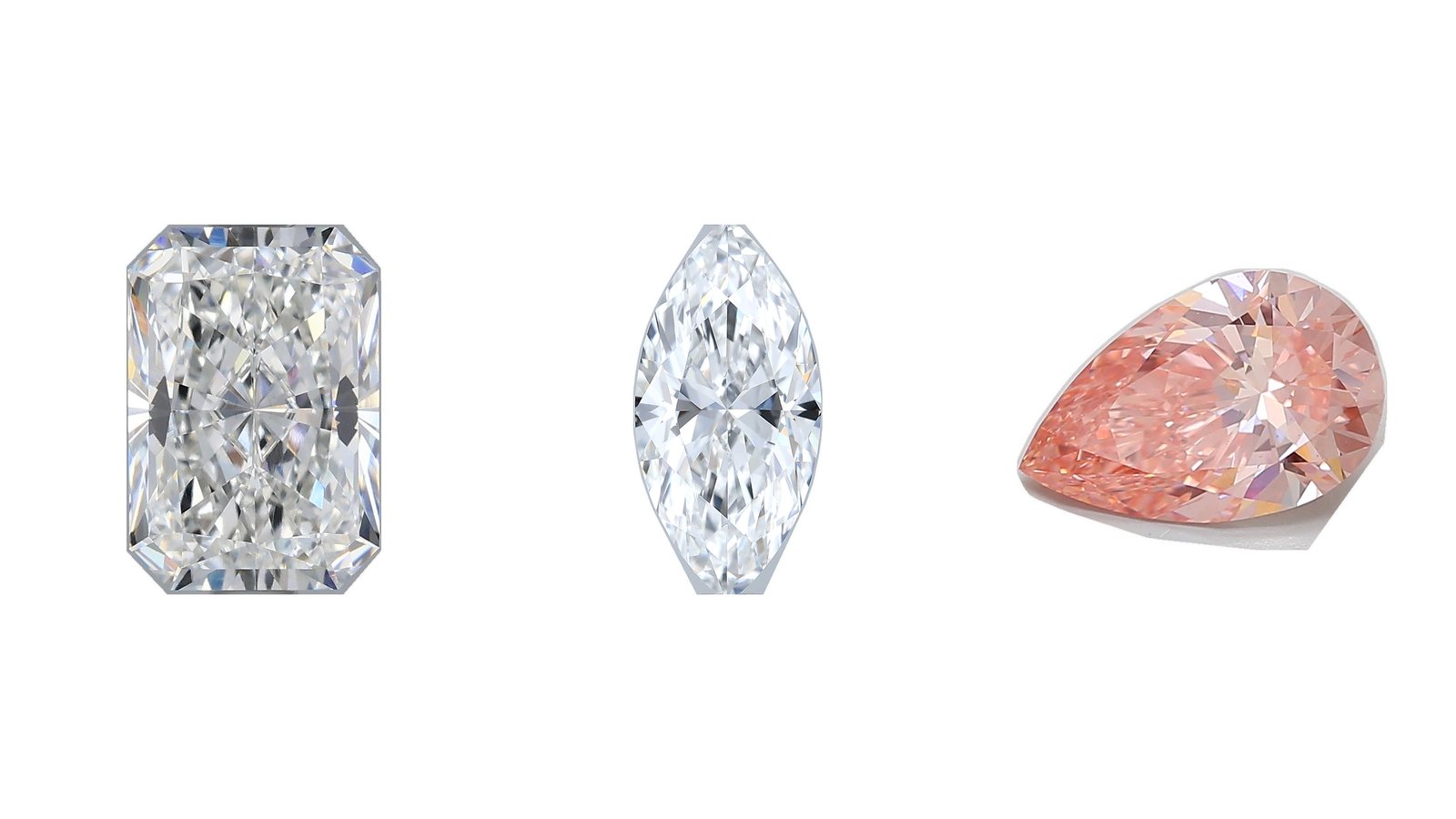
Engagement photos are the first professional photos many couples ever book, and the location does half the work. A public park at golden hour on a Saturday can mean strangers in every background, a permit question you didn't expect, and a photographer fighting for the one good tree. A private space you rent by the hour, such as a garden, a rooftop, a home with big windows, or a studio, gives you control over light, privacy, and time. That control matters most for the shot everyone asks to see: the ring.
This guide covers how to choose and book a space for an engagement shoot, what to ask the host, a shot list that includes ring close-ups, and how to choose a diamond that looks as good on camera as it does in person. If you're still planning the proposal itself, start with our guide to renting a space for a marriage proposal.
Why rent a private space for engagement photos?
- Privacy. Most couples are more relaxed, and look it, without an audience.
- Timing. You book the exact window when the light is best, instead of competing for it.
- Variety. One home or garden can give you three or four distinct looks without driving between locations.
- Weather backup. Many spaces have an indoor room or covered area, so a forecast doesn't cancel the shoot.
- Comfort. A place to change outfits, a restroom, and somewhere to set down bags and props.
Which kind of space fits your photos?
Backyard or garden
Mature trees, a lawn, a pergola, or a flower border give you soft, natural backdrops and room to walk. It's the most forgiving choice for golden-hour light. Ask whether neighbors' yards or a pool fence will show in wide shots.
Backyard rentals →Rooftop or terrace
A skyline or treetop view reads instantly as a special occasion. Rooftops can be windy and have hard midday light, so book around sunset and confirm you'll have the space to yourselves.
Rooftop spaces →A home with character
A staircase, a big window, a fireplace, or a well-styled living room lets you shoot cozy, editorial, or at-home story sessions, and it's weatherproof. See what hosts offer on our photo-shoot homes page.
Homes for photo shoots →Studio by the hour
Controlled light, seamless backdrops, and no weather risk. It's the best choice for clean, magazine-style portraits and crisp ring close-ups.
Studios by the hour →Warehouse or loft
Brick, big factory windows, and open floors give you an urban look without shooting on a busy sidewalk.
Loft and warehouse spots →Pool
Reflections and a summer mood, especially at dusk with string lights. Confirm the host's pool rules and whether wet-edge shots are allowed.
Private pools →For more on booking a space for any camera work, see renting a space for a photo or content shoot. In North Jersey, our page on Montclair homes for photo and film shoots shows the kinds of homes local hosts list.
Light is the whole game
When you scroll listings, look at the light before the decor. Outdoors, the hour before sunset gives soft, warm, flattering light, while midday sun causes harsh shadows and squinting. Indoors, large windows matter more than square footage. Ask the host which direction the main windows face and when direct sun hits the room. Soft, indirect window light is ideal for portraits and for ring close-ups. If the space only works with lamps on, bring your own continuous light, or tell your photographer so they can bring flash.
Questions to ask the host before you book
- Is photography with a hired photographer allowed, and does the host treat it differently from a personal visit?
- How many people can be on site? Count the photographer, any assistant, a hair and makeup artist, and a friend helping with outfits.
- Where does the light come from at your booked time: which windows face which way, and when does the yard fall into shade?
- Can you move furniture or decor, and do you need to put it back?
- Is there a private spot to change outfits and a restroom you can use?
- Are there outlets for lights or a steamer, and is there Wi-Fi for tethered shooting?
- Can you bring props such as a blanket, balloons, confetti, or candles? Confetti and open flames are common no's.
- Are pets allowed? Many couples want their dog in a few frames.
- Where do you park, and how far is the walk carrying gear?
- What's the plan if it rains? Is there an indoor room or covered area included in the booking?
Put the answers in your booking message so both you and the host have them in writing. First time renting a space? Read how to book a space safely before you pay.
How long to book
Build the booking around the light, not just the shoot. A typical plan is 30 minutes to arrive, unload, and change, the shooting window itself (your photographer will tell you how long their package runs), a buffer for an outfit change, and 15 to 30 minutes to reset the space. Ask your photographer to scout the listing photos in advance so no time is lost figuring out where to stand.
A shot list that includes the ring
- A wide establishing shot of the two of you in the space.
- Walking and candid moments. These are usually the favorites.
- Close portraits in the best window or golden-hour light.
- Hands together with the ring visible, relaxed rather than posed.
- A ring macro on its own: on a textured surface, a book, a flower, or your partner's palm.
- One playful frame with confetti, sparklers, or a pet (if the host allows it).
Getting the ring close-up right
- Clean the stone right before. Fingerprints, lotion, and hand oils dull a diamond's sparkle fast. Bring a soft cloth.
- Get a manicure or at least tidy nails. Macro lenses show everything.
- Use small, bright light sources. A diamond's facets turn window highlights, string lights, or a small LED into sparkle. Flat, diffuse light alone can make a stone look lifeless.
- Keep light color consistent. Mixing cool window light with warm lamps can make a colorless diamond look tinted in photos.
- Try a macro lens or a phone's macro mode for detail, and shoot a few frames while slowly tilting the hand to catch the flash.
- Pick a background that contrasts. Dark fabric, wood grain, or greenery makes a white diamond pop. A fancy-color stone often looks best on neutral tones.
Choosing a diamond that photographs beautifully
If you're still choosing the stone, think about how it performs in light, because that's what the camera captures. Our sponsor for this guide, Carat Confidential, sells certified loose lab-grown diamonds and makes that easy to judge before you buy:
- You see the actual stone. Most diamonds have a 360° video of that exact stone, and the photos are still frames from that video rather than stock images. Watching a stone turn is the closest you'll get online to seeing how it catches light.
- Independent grading. Every stone in its certified collection has been graded by an independent lab, most by IGI and some by GIA. The report number is on the listing so you can check it on the lab's site.
- Real specs. Listings give measurements, length-to-width ratio, polish, symmetry, and the growth method (CVD or HPHT).
- Shapes with personality. Round, oval, emerald, radiant, cushion, pear, marquise, heart, princess, asscher, fancy colors (blue, pink, yellow, green, orange), and specialty shapes such as hexagons, kites, half moons, rose cuts, and old European rounds.
- Loose stones. You choose the diamond, then have it set by your jeweler, in time for the shoot if you plan ahead.
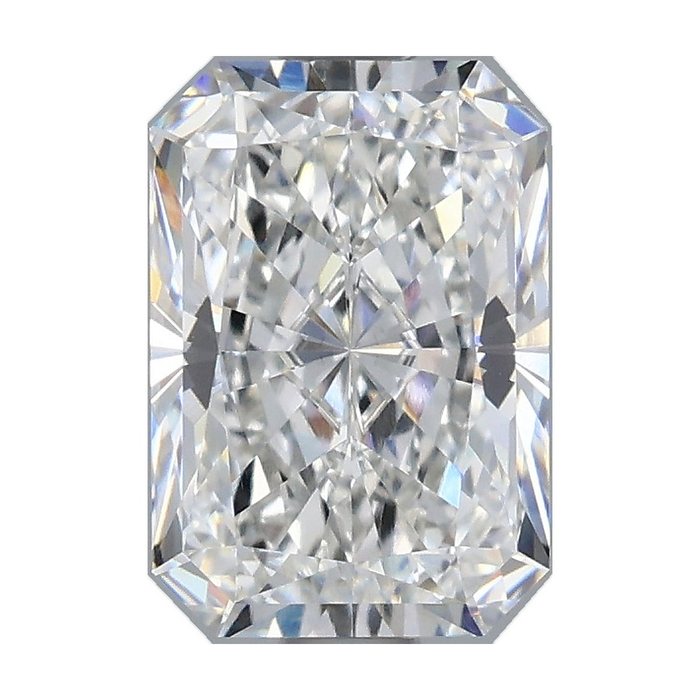
1.85 Carat Radiant Lab-Grown Diamond, E VS1, IGI Certified
Radiant: a crisp outline with lively brilliant faceting that shows up in close-ups.
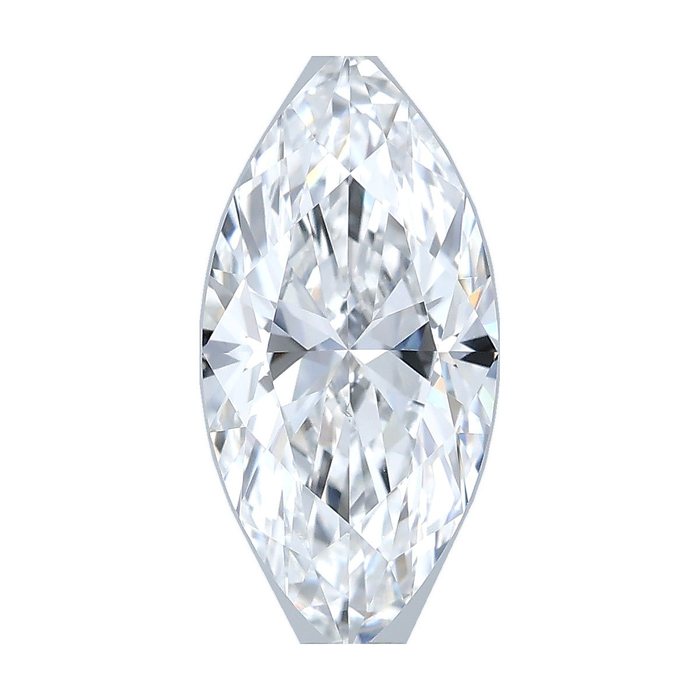
1.05 Carat Marquise Lab-Grown Diamond, E VS1, IGI Certified
Marquise: long and pointed, a distinctive silhouette on the hand.
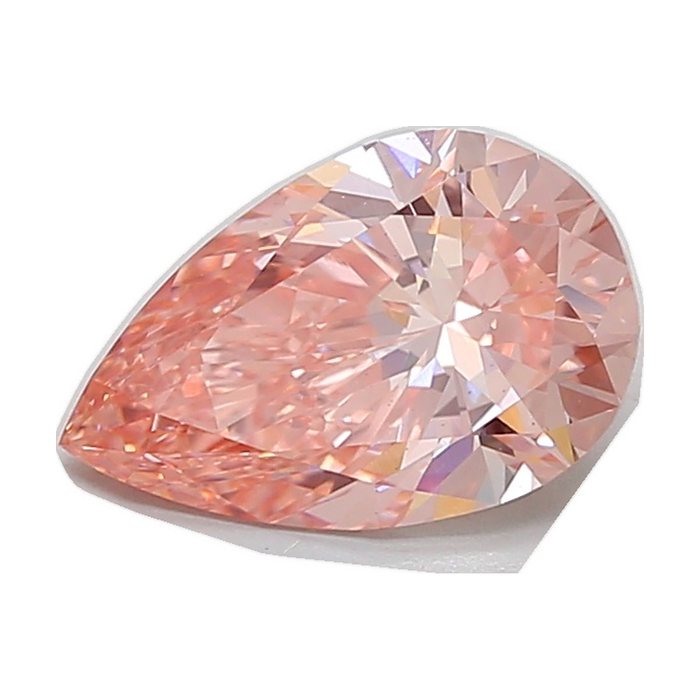
3.08 Carat Fancy Vivid Pink Pear Lab-Grown Diamond, VS2, IGI Certified
Fancy color: a pink pear stands out in every frame.
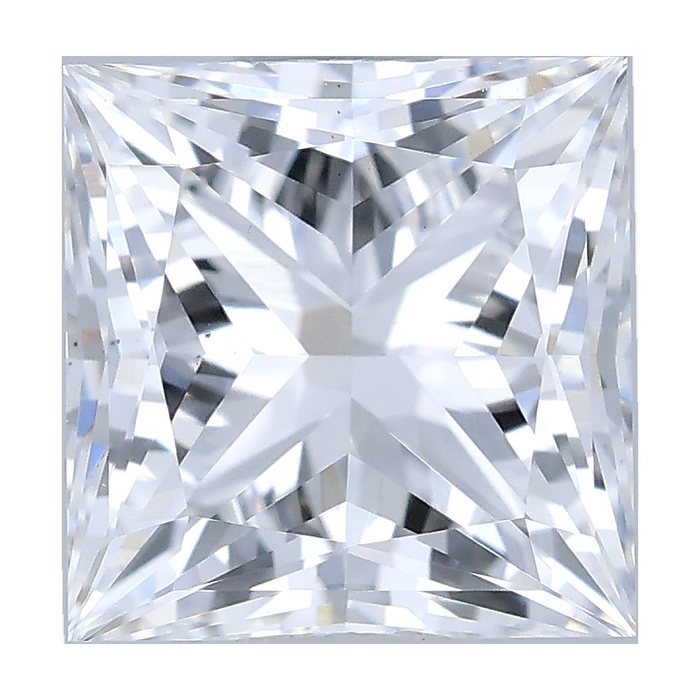
1.02 Carat Princess Lab-Grown Diamond, D VS2, IGI Certified
Princess: square, sharp-cornered, and modern.
Each loose diamond is one of a kind. If one has sold, browse the radiant, marquise, pink, or princess collections.
Lab-grown, the 4Cs, and the report, briefly
A lab-grown diamond is a real diamond grown in a controlled environment. GIA describes laboratory-grown diamonds as having essentially the same chemical, physical, and optical properties as natural diamonds. The FTC's Jewelry Guides, revised in 2018, require sellers to clearly disclose a lab-grown origin. For quality, GIA's 4Cs are the shared language. Carat is weight (one carat is 200 milligrams), so compare millimeter measurements for face-up size. Color runs D to Z for white diamonds. Clarity runs from Flawless through VVS, VS, SI, and I. Cut drives sparkle, and labs give round brilliants an overall cut grade, while fancy shapes rely more on polish, symmetry, and proportions. Since October 1, 2025, GIA uses a simpler Premium or Standard assessment for newly submitted lab-grown diamonds, while IGI's lab-grown reports record the 4Cs.
Carat Confidential's Journal goes deeper: laboratory-grown vs. natural diamonds, CVD vs HPHT, and how to verify an IGI report.
Still choosing the ring?
Watch the 360° video of the actual stone and check its lab report before you buy.
Browse lab-grown diamondsAfter the shoot
Many couples use their favorite frames on save-the-dates and at the engagement party. When you're ready for that bigger booking, our guide to renting a space for an engagement party covers guest counts, formats, and host questions. Planning something at home instead? See renting a backyard for a wedding or event.
Find your shoot location
Filter by category and location for a backyard, rooftop, home, or studio with the light you want.
Browse SpacesFrequently asked questions
Where should we take engagement photos if we don't want a crowded park?+
Book a private space by the hour: a backyard or garden, a rooftop, a home with good windows, a photo studio, or a loft. You control who's there, when you shoot, and what's in the background, and many spaces include an indoor fallback for bad weather. Browse by category and location on SpaceSkout and ask the host whether hired photography is allowed.
What time of day is best for engagement photos?+
For outdoor spaces, the hour before sunset usually gives the softest, most flattering light. Midday sun creates harsh shadows and squinting. For indoor spaces, ask the host which way the main windows face, and book when that light is soft rather than direct.
How do you photograph an engagement ring so it sparkles?+
Clean the stone right before the shoot, because fingerprints and lotion dull sparkle. Use a macro lens or a phone's macro mode, keep lighting consistent (avoid mixing window light with warm lamps), and look for small bright light sources like window highlights or string lights, which a diamond's facets reflect as sparkle. Shoot on a plain, textured surface for detail shots.
Are lab-grown diamonds real diamonds?+
Yes. GIA describes laboratory-grown diamonds as having essentially the same chemical, physical, and optical properties as natural diamonds. The FTC's Jewelry Guides require sellers to clearly disclose that a diamond is laboratory-grown.
How can I tell how a diamond will look before I buy it online?+
Watch a video of the actual stone rather than relying on a stock photo, and check the independent grading report by its number on the lab's website. Carat Confidential, our sponsor, has a 360° video of the actual diamond for most stones, lists the IGI or GIA report number on each certified listing, and gives measurements, polish, symmetry, and growth method.
Sources
- Diamond Quality Factors, the 4Cs (GIA)
- GIA Launches Updated Laboratory-Grown Diamond Services October 1 (GIA)
- Lab-Grown Diamond Report (IGI)
- FTC Approves Final Revisions to Jewelry Guides (FTC, 2018)
- 16 CFR Part 23, Jewelry Guides (eCFR)
Disclosure: this article is sponsored by Carat Confidential
This article is sponsored by Carat Confidential. We may be compensated when you visit their site. Carat Confidential contributed to this article, and we edited it. Carat Confidential is featured because it sponsored this guide, not because of independent testing. SpaceSkout did not grade or independently examine these diamonds. Stone details come from Carat Confidential's own listings and the independent grading reports they reference, and educational facts come from GIA, IGI, and the FTC, linked above. Listings and availability can change, and each loose diamond is one of a kind.