Renting a Space for a Pet Photo Shoot: Backyards, Studios & Holiday Sets That Work for Dogs and Cats
November 2026 · 10 min read
Short answer
For a pet photo shoot, rent a fenced backyard or garden for natural light, a photo studio by the hour for controlled light and holiday backdrops, or a styled home for card-style portraits. Before you pay, get the host's permission for your animals in writing, confirm every gate latches, ask about the floor and any plants or chemicals in the space, and keep tinsel, ribbon, holiday plants and people treats off the set. Book extra time for the animal to settle, for breaks and for cleanup.
The run-up to the holidays is a popular time for pet portraits. Families want a card with the dog in it, photographers run mini sessions with a tree and a blanket, and small pet brands need fresh product photos for gift guides. The problem is the setting. A living room full of clutter and a yard with a broken gate both make for a stressful shoot, and a borrowed space with a no-pets rule can cost you a deposit.
Renting a space for a few hours solves most of that, as long as it is the right kind of space and the host is on board. This guide covers which spaces work for dogs and cats, the safety and permission questions that matter more for animals than for people, holiday props to leave out, how long to book and what to ask before you pay.
What kind of shoot is it?
The shoot type decides the space. A single family with a calm senior dog needs very little. A photographer running back-to-back sessions for a dozen excited dogs needs a set built for wear and a plan for the door.
One family's pet portraits
One or two animals, their owners and a photographer. A backyard, a studio or a styled room all work. You mostly need quiet, safety and enough time for the animal to settle.
Holiday pet mini sessions
A photographer books one space and runs short back-to-back sessions for many clients. You need a set that survives a dozen dogs, a waiting area away from the set and a clear cleanup plan between sessions.
Product or brand shoot with pets
Pet food, toys, beds or apparel shot with animal models. Expect more crew and gear, longer bookings and a host who is comfortable with commercial work.
Adoption or rescue photo day
A shelter or rescue photographs adoptable animals. Lots of unfamiliar animals in one place, so separation, leashes and sanitation come first.
Spaces that work for pet photos
Fenced backyard or garden
Natural light, greenery and room to move. Only works if the fence and gates are fully closed and the host allows animals.
Backyard rentalsPhoto studio by the hour
Controlled light, seamless backdrops and no weather risk. Ask about the floor, the stands and whether pets are allowed.
Photo shoot locationsStyled home or holiday set
A decorated living room, a fireplace or a porch for holiday cards. The most fragile option, so permission and cleanup terms matter most.
Holiday mini sessionsBarn, farm or open field
Big backdrops and space for active dogs. Check for livestock, fencing, ticks and mud before you bring a pet.
Barn and farm spacesPermission comes first
A listing that welcomes photo shoots is not the same as a listing that welcomes animals. Hosts worry about fur on furniture, scratched floors, accidents, damage to plants and the next guest's allergies. Some allow pets happily; many don't. Ask before you book, say exactly which animals and how many are coming, and keep the answer in the booking messages. If the host agrees but adds a pet or cleaning fee, that is normal, and it is far better than an argument over the deposit afterward.
Ask too whether the host has animals of their own on the property. A resident dog barking behind a door can end a session, and a cat that wanders onto the set can start a chase.
Make the space escape-proof
The biggest risk on a pet shoot in an unfamiliar place is an animal bolting. A dog that has never been in the yard does not know where the gaps are, and the moment a photographer kneels down with a squeaky toy is exactly when the gate gets left open.
- Walk the fence line before the pet arrives. Look for gaps under gates, loose boards and low spots.
- Close and latch every gate, and tell everyone on the shoot to keep them shut.
- Keep a leash or long line on until you are sure the area is fully enclosed. Many photographers remove a thin leash in editing.
- Indoors, check the doors. In a studio or home, choose a room you can close, and keep exterior doors shut while the animal is loose.
- Keep ID tags on between setups, even if the collar comes off for the shot.
Looking for a pet-friendly shoot location?
Send a request with your city and state, how far you are willing to travel, the date and hours, the animals coming, and whether you need a fenced yard, a studio or a styled room.
Request a SpaceFloors, lights and gear
Studios are built for people who stand still. Pets don't. A few things that matter more with animals:
- Slippery floors. Polished concrete, hardwood and vinyl backdrops can be slick under paws. A rug or non-slip mat under the posing spot helps the animal feel steady, and steady animals pose better.
- Paper backdrops. Claws tear seamless paper, and dogs often try to eat it. Ask whether you pay for damaged paper, or bring a fabric backdrop.
- Light stands and cables. Sandbag every stand and tape cables down. A dog running a lap of the room can bring a light down.
- Noise and strobes.Some animals startle at flash recycling sounds or a fan. Give them time to get used to the setup before the first frame, and have a quieter continuous-light option if they don't settle.
- Temperature. Cold studios and hot lights both affect animals. Ask whether the space is heated in winter, and bring water for every session.
Holiday sets: what to leave off
Holiday pet portraits are where most of the risk sits, because the props that make a festive set are many of the same things the U.S. Food and Drug Administration warns pet owners about each December. Its Center for Veterinary Medicine flags:
- Tinsel, ribbon and string, which pets may treat as prey and swallow, causing serious stomach and intestinal damage.
- Holiday plants, including poinsettias, mistletoe and holly, which can make pets sick if eaten.
- Salt-dough ornaments, which contain enough salt to be dangerous to a pet that eats them.
- Chocolate and xylitol, the sweetener in some mints, gum, candy, peanut butters and baked goods. The FDA describes both as emergencies if a pet eats them.
- Open snack bags, which a dog can get its head stuck in.
On a rented set, that means artificial greenery instead of live holiday plants, wrapped “gifts” with no loose ribbon, no tinsel at nose height, and pet treats in your pocket instead of people treats on the table. If the host's own decorations include any of these, ask to move them before the animals come in. If a pet does eat something it shouldn't, call your veterinarian right away.
How long to book
Pet shoots run long. Build the booking from these pieces:
- Setup: backdrops, lights, props and a quick safety walk of the space.
- Settling in: time for the animal to sniff around before anyone asks it to sit.
- The shoot: usually in short bursts. Most animals give you a few good minutes at a time.
- Breaks: water, a short walk, a bathroom stop and a reset when they get overexcited.
- Buffers between clients: for mini sessions, enough gap that dogs don't meet in the doorway and you can clean the set.
- Cleanup: fur, nose prints on glass, paw prints on the backdrop and the yard checked for waste.
Running a full day of holiday minis? Our guide to renting a space for holiday mini photo sessions covers scheduling, waiting areas and set changes for back-to-back clients.
Questions to ask the host before you book
- Are pets allowed, which species and how many, and can you confirm that in the booking messages?
- Is the yard fully fenced? How tall is the fence, and do all gates latch?
- Are there other animals living on the property, and will they be shut away during the shoot?
- What is the floor made of in the shooting area? Is it slippery or easily scratched?
- Are there plants, decorations or chemicals in the space that I should know about (lawn treatments, pest bait, holiday plants)?
- Is there a cleaning or pet fee, and does any deposit depend on fur, nose prints or accidents?
- Where should pet waste go, and is there a hose or sink for cleanup?
- Can we bring our own backdrops, props and lights, and is there a power outlet near the set?
- When can we arrive to set up, and how firm is the end time?
Get the answers in writing. If the host says dogs are fine in the living room or that a quick lint-roll of the sofa is all the cleaning they need, having that in the booking messages protects your deposit.
What to bring
- Leash, a secure harness and ID tags, plus a long line for fenced outdoor work.
- Water and a bowl, and the treats and toys your pet already knows.
- Waste bags, paper towels, an enzyme cleaner and a lint roller.
- A towel for wet or muddy paws before the animal goes inside.
- A non-slip mat or rug for the posing spot.
- A crate or bed for breaks, especially for nervous animals.
- Pet-safe props: fabric, plain wrapped boxes, artificial greenery, a knitted hat the animal is used to.
- Sandbags and gaffer tape for stands and cables.
For photographers running paid sessions
If you are booking the space for paying clients, tell the host it is a commercial shoot, say how many clients and animals will come through, and agree on where people wait. Check whether your own business insurance covers shoots at rented locations and whether the host wants proof of it. Ask clients to arrive at their time slot, not early, and to keep dogs leashed until they are on the set. Our first-time renter's guide covers payments, deposits and cancellations.
Common mistakes
- Assuming a photo-shoot listing allows pets.
- Taking a leash off before checking the fence and gates.
- Using live holiday plants, tinsel and people treats on the set.
- Shooting on a slick floor and wondering why the dog won't sit.
- Booking back-to-back clients with no gap at the door.
- Leaving fur and nose prints for the host to find.
Before you pay: a short checklist
- Pets allowed, with species and number, confirmed in the booking messages.
- Fence, gates and doors checked; resident animals will be put away.
- Floor type, backdrops, power and your own gear confirmed.
- No live holiday plants, tinsel or loose ribbon on the set.
- Booking block includes settling time, breaks, client buffers and cleanup.
- Cleaning fee, deposit and cancellation terms read.
Find a space for your pet photo shoot
Tell us your city and state, how far you will travel, the date and hours, the animals coming and the kind of setting you want. Have a fenced yard, a studio or a pet-friendly home? You can list it for pet photographers too.
Frequently asked questions
Where can I do a pet photo shoot if I don't have a good space at home?
The usual options are a fenced backyard or garden, a photo studio rented by the hour, a styled home for holiday-style portraits, or a barn or field for active dogs. Whatever you pick, confirm in writing that the host allows animals, and check that the area is fully enclosed before any pet comes off the leash.
Do I need permission from the host to bring a pet to a rented space?
Yes. Many listings do not allow animals, and a space listed for photo shoots does not automatically allow pets. Ask the host before you book, say which animals and how many, and keep the answer in the booking messages so there is no dispute about cleaning or damage later.
Is a studio or a backyard better for pet photos?
A backyard gives natural light, room to move and a calmer setting for many dogs, but it depends on the weather and on a secure fence. A studio gives controlled light and backdrops, which suits cats, small dogs and holiday sets, but floors, light stands and cables need to be safe for an excited animal.
What holiday props are unsafe for pets on a photo set?
The FDA warns pet owners about tinsel, ribbons and string, which pets may swallow; holiday plants such as poinsettias, mistletoe and holly; salt-dough ornaments; chocolate; and anything containing xylitol, such as some mints, gum and baked goods. Keep those off the set, use pet treats instead of people food, and keep open snack bags out of reach.
How long should I book a space for a pet photo shoot?
Longer than you would for people. Animals need time to sniff around and settle before they pose, plus breaks for water, a walk and a reset if they get overexcited. Add setup and a proper cleanup at the end. For back-to-back mini sessions, build a gap between clients for cleanup and so animals do not meet at the door.
What should I bring to a rented space for a pet shoot?
A leash and a secure harness, water and a bowl, the treats and toys your pet already knows, waste bags, a lint roller, paper towels and an enzyme cleaner, a towel for wet paws, and a non-slip mat or rug for slick floors. Photographers often also bring a noise-maker or squeaky toy to get the ears up.
Sources
- FDA Consumer Update: Keep Your Dogs and Cats Safe From Holiday Hazards (content current as of 12/17/2025)
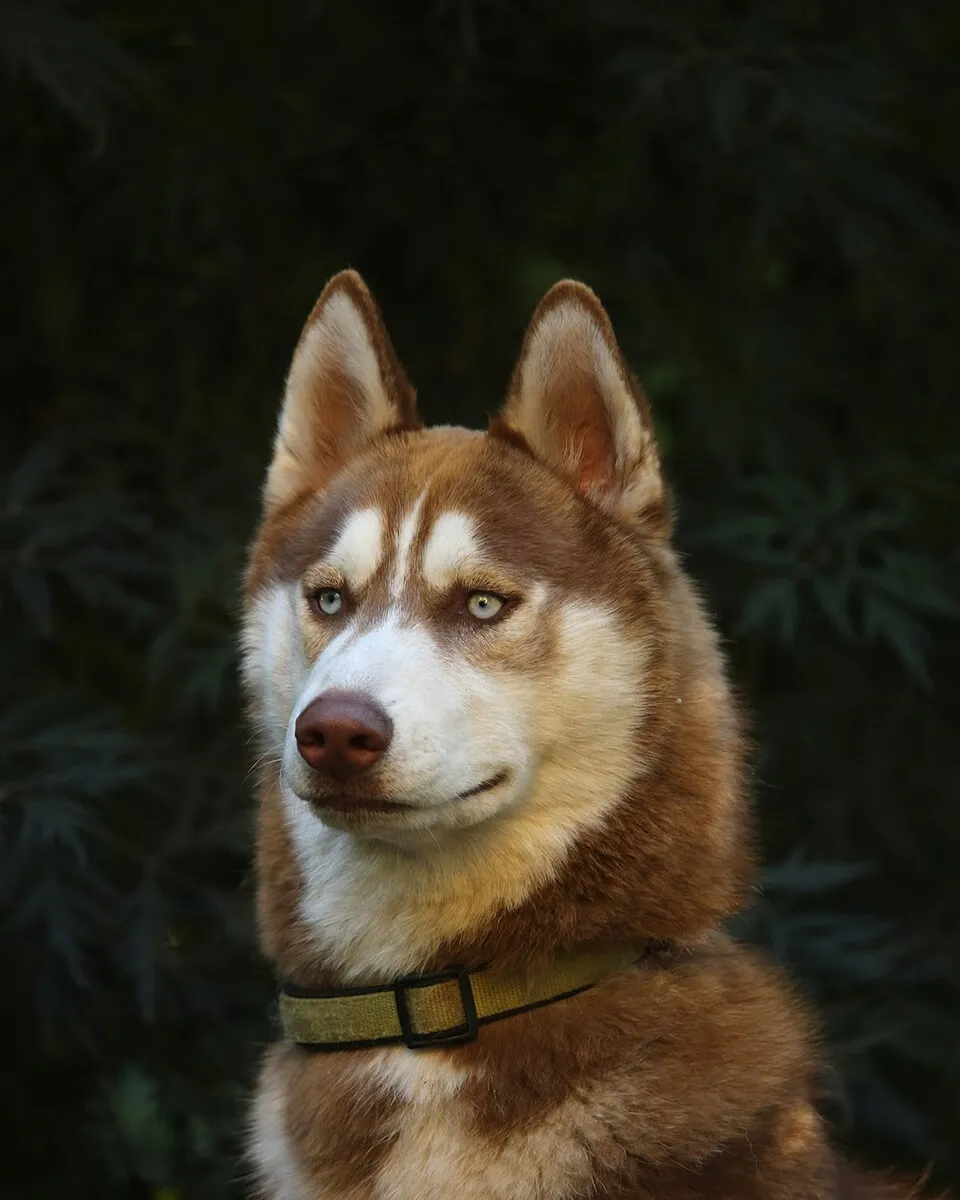
- Hero photo: “Dog posing for a photo shoot,” Richard Probst (Shot in a Frame), Wikimedia Commons, CC BY 2.0
This guide is general planning information, not veterinary advice. Follow the host's house rules, pet policy and any local rules that apply to your shoot.